Custom Reception Visit Package: (59,900₮ - VAT included). Чин ван ханддоржиин рг's Menu - Ulaanbaatar | Restaurants in Ulaanbaatar
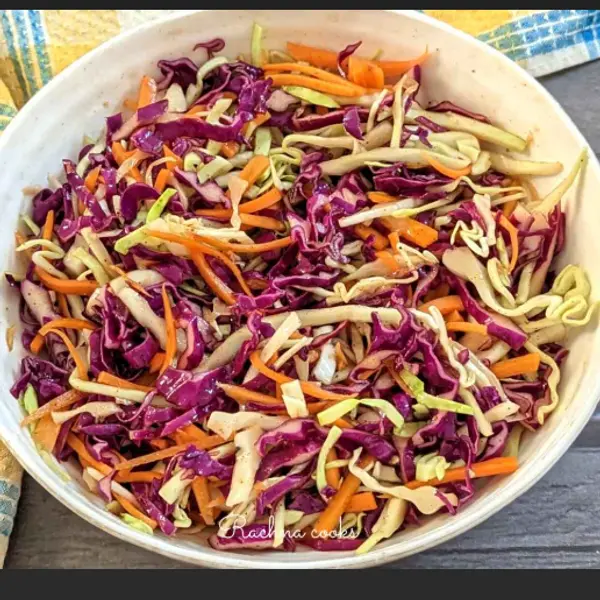
Cabbage and carrot salad - a delicious snack
It expresses the simple yet noble taste that comes from the humble yet vital nature and clean air of the vast mongolian steppes. the combination of cabbage and carrots expresses the freshness and purity that symbolizes the balance of nature and the harmony of the human body.
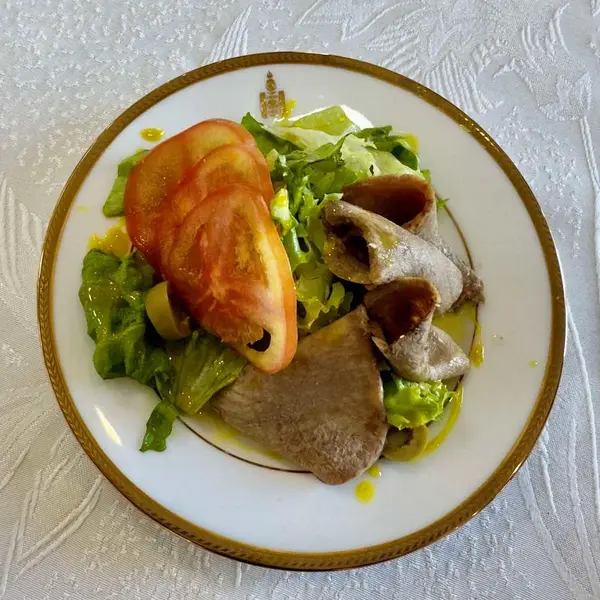
Beef tongue snack - tansag tongue
Tenderloin is considered a luxurious meat with a soft texture. it represents abundance and a noble feast.
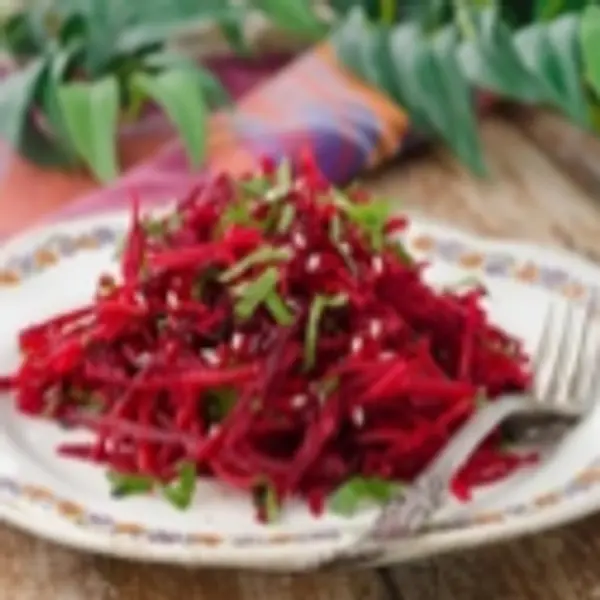
Beetroot salad - a delicious red snack from the steppes
With its deep red color, the chard symbolizes the energy of nature and the flow of life's blood. the rich nutrients hidden beneath its humble appearance are considered a precious gift of nature that nourishes both the body and the soul.
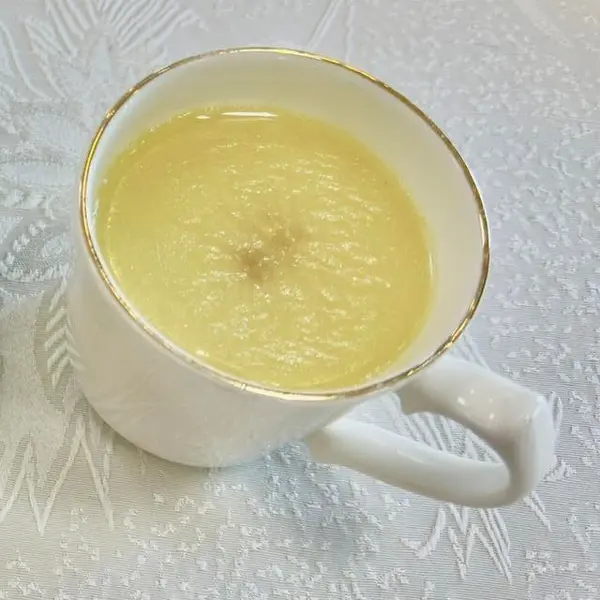
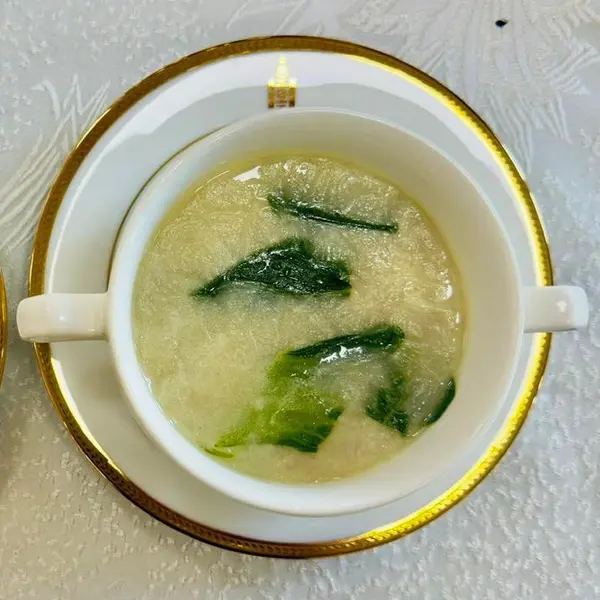
Toigny soup - shimi's fruit
The word "undarga" means a source of water, a source of continuous flow of wealth. this soup symbolizes the source of nourishment and energy.
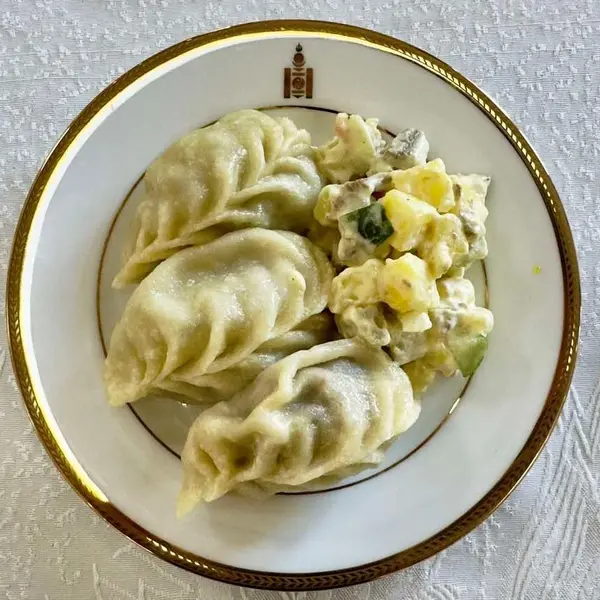
Buuz - chandmani gem
The chandman gem represents the most precious gem in mongolian and eastern cultures, which fulfills wishes. since buuz is a festive and honorable food, it is a symbol of abundant life.
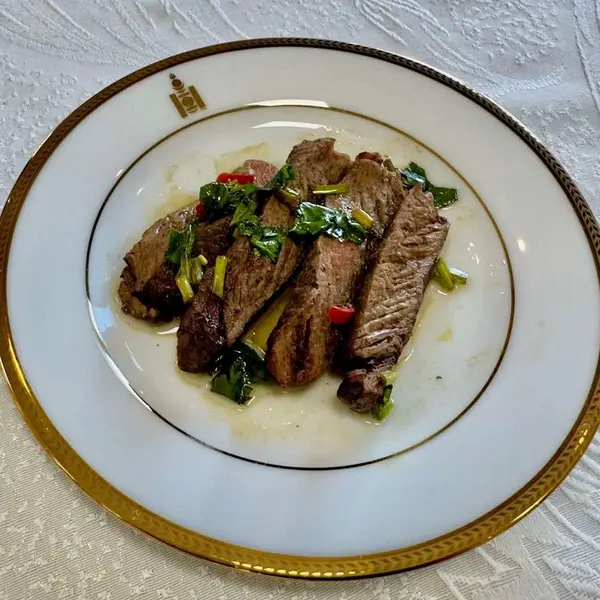
Beef prime steak - plain steak
The name symbolizes the quality of pure, natural meat from mongolian livestock farming and the steppes.
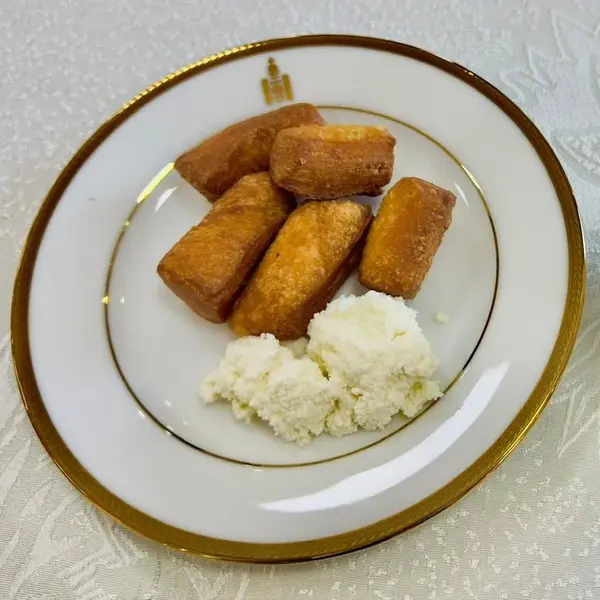
Boortsog /with a drill/ - a dessert of the steppe
It is the most common traditional dessert in mongolian cuisine and is often served to guests, reflecting the culture of the steppe.
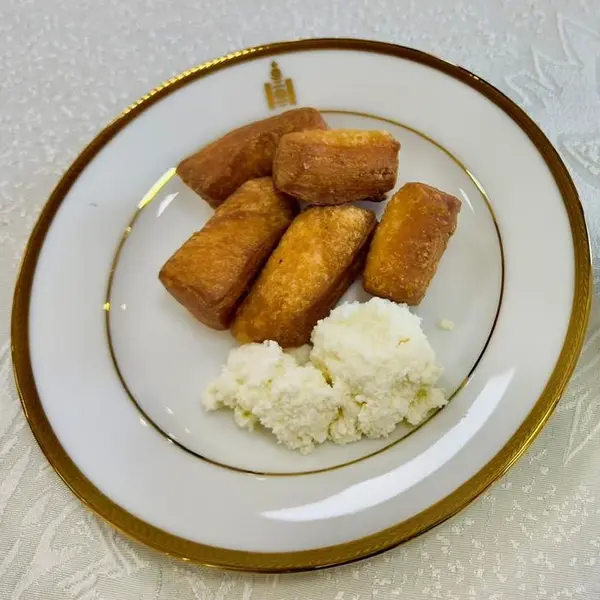
Hailmag - golden orom
The golden color, rich flavor, and rich nutrients symbolize the highest quality traditional dairy products.
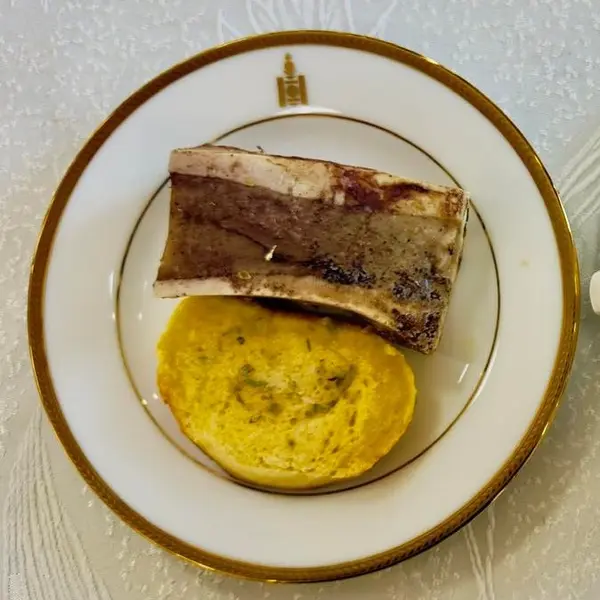
Beef stew (baguette) - absolute luxury
The term "tul" means the highest point, the most noble meaning. marrow is considered the pinnacle of meat dishes in terms of its nutritional value and richness, and therefore represents the highest level of luxury.
Sea buckthorn jelly - a natural gem
The berries of the sea buckthorn and the sea buckthorn, a gift from the pristine nature of mongolia, symbolize the source of health and the pure power of nature. the combination of red and gold colors represents the energy of life and the protection of the immune system, creating a feeling of absorbing the love and blessings of mother nature.

Hot milk tea (with butter) - uudam tea
A name that symbolizes the peaceful nature of the mongolians and the vast expanse of the steppes. milk tea is an expression of hospitality.